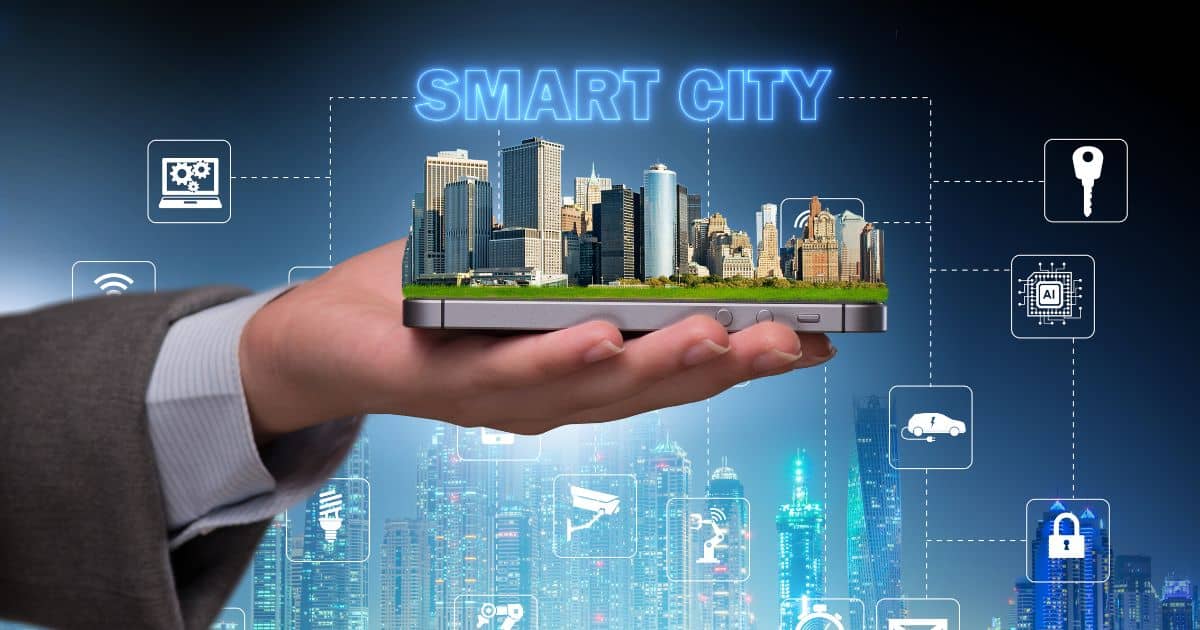
Smart city Market Overview
The concept of a smart city Market is no longer a futuristic vision—it is rapidly becoming a global reality. With urban populations growing at unprecedented rates, governments and urban planners face the dual challenge of managing infrastructure efficiently while improving the quality of life for citizens. This is where the Smart City Market emerges as a critical driver of urban innovation.
Smart cities integrate information and communication technologies (ICT) and Internet of Things (IoT) solutions to optimize urban services, ranging from traffic management, energy efficiency, and public safety to waste management and citizen engagement. By leveraging data-driven insights, cities can make real-time decisions that reduce operational costs, minimize environmental impact, and enhance public convenience.
The Smart City Market is witnessing significant growth, fueled by rising urbanization, increased government investments, and the growing adoption of IoT-enabled devices. Key segments driving this growth include smart transportation systems, connected street lighting, intelligent energy grids, and digital governance platforms. As cities aim to become more sustainable and resilient, solutions like predictive analytics, AI-powered surveillance, and integrated mobility platforms are becoming indispensable.
Global technology leaders and startups alike are competing to offer end-to-end smart city solutions, from sensor deployment to data analytics software. The convergence of 5G connectivity, cloud computing, and AI has further accelerated innovation, enabling cities to handle massive data flows and provide citizens with seamless services.
Looking ahead, the Smart City Market is expected to continue its upward trajectory. Emerging technologies like edge computing, blockchain-based governance, and autonomous public transport will redefine urban living, creating ecosystems that are not only smart but also sustainable, inclusive, and citizen-centric.
In essence, smart cities are no longer just a technological aspiration—they are a blueprint for the future of urban living, where data, technology, and human-centric design converge to create cities that are more efficient, resilient, and livable.
Top Key Players in Smart City Market
-
IBM
-
Cisco Systems
-
Huawei
-
Schneider Electric
-
Honeywell
-
Microsoft
Latest Trends in the Smart City Market
AI-Powered Urban Management
Artificial intelligence is playing a crucial role in managing urban infrastructure. Cities are using AI to optimize:
-
Traffic flow and congestion
-
Waste management systems
-
Public safety and surveillance
AI-driven analytics help city authorities make real-time decisions and improve operational efficiency.
IoT Integration Across Infrastructure
The Internet of Things (IoT) is the backbone of smart cities. Connected sensors and devices enable:
-
Smart traffic systems
-
Intelligent street lighting
-
Real-time environmental monitoring
IoT adoption is accelerating as cities aim to become more responsive and data-driven.
Sustainable & Green Energy Solutions
Sustainability is at the core of smart city development. Governments are investing in:
-
Renewable energy systems
-
Smart grids
-
Energy-efficient buildings
These initiatives help reduce carbon emissions and support climate goals.
5G & Next-Gen Connectivity
The rollout of 5G networks is transforming urban connectivity by enabling:
-
Faster communication
-
Real-time data exchange
-
Enhanced IoT performance
High-speed connectivity is essential for supporting smart city applications at scale.
Smart Mobility & Transportation
Transportation systems are becoming more intelligent with:
-
Autonomous vehicles
-
Smart traffic signals
-
Electric vehicle (EV) infrastructure
Smart mobility solutions aim to reduce congestion and improve urban transportation efficiency.
Digital Governance & Smart Services
Governments are adopting digital platforms to provide:
-
E-governance services
-
Online citizen engagement
-
Smart public utilities
This enhances transparency, accessibility, and efficiency in public services.
Data-Driven Urban Planning
Big data analytics is helping city planners:
-
Predict urban growth
-
Optimize land use
-
Improve infrastructure planning
Data-driven insights are crucial for long-term urban development.
Key Developments Driving Growth
-
Increasing government initiatives for smart infrastructure
-
Rising urban population and need for efficient resource management
-
Growth in public-private partnerships
-
Rapid adoption of AI, IoT, and cloud computing
Challenges in Smart City Development
Data Privacy & Cybersecurity
With massive data collection, protecting citizen data is a major concern.
High Implementation Costs
Smart city projects require significant investment in infrastructure and technology.
Integration Complexity
Combining legacy systems with modern technologies can be challenging.
Future Outlook of the Smart City Market
The future of smart cities looks highly promising, with continued innovation and global adoption.
Key Future Trends:
AI-Driven Autonomous Cities
Cities will increasingly rely on AI for automated decision-making and operations.
Energy-Efficient Urban Ecosystems
Smart grids and renewable energy will dominate urban infrastructure.
Fully Connected Mobility
Integration of autonomous vehicles and smart transport networks will redefine mobility.
Digital Twin Cities
Virtual replicas of cities will be used for planning and simulation.
Global Expansion
Emerging economies, especially in Asia-Pacific, will lead smart city adoption.
The smart city market is set to grow exponentially as technology continues to reshape urban environments. With advancements in AI, IoT, and connectivity, cities are becoming more efficient, sustainable, and livable. While challenges remain, the long-term benefits of smart city development far outweigh the obstacles, making it a critical focus for governments and industries worldwide.
Leave a Reply