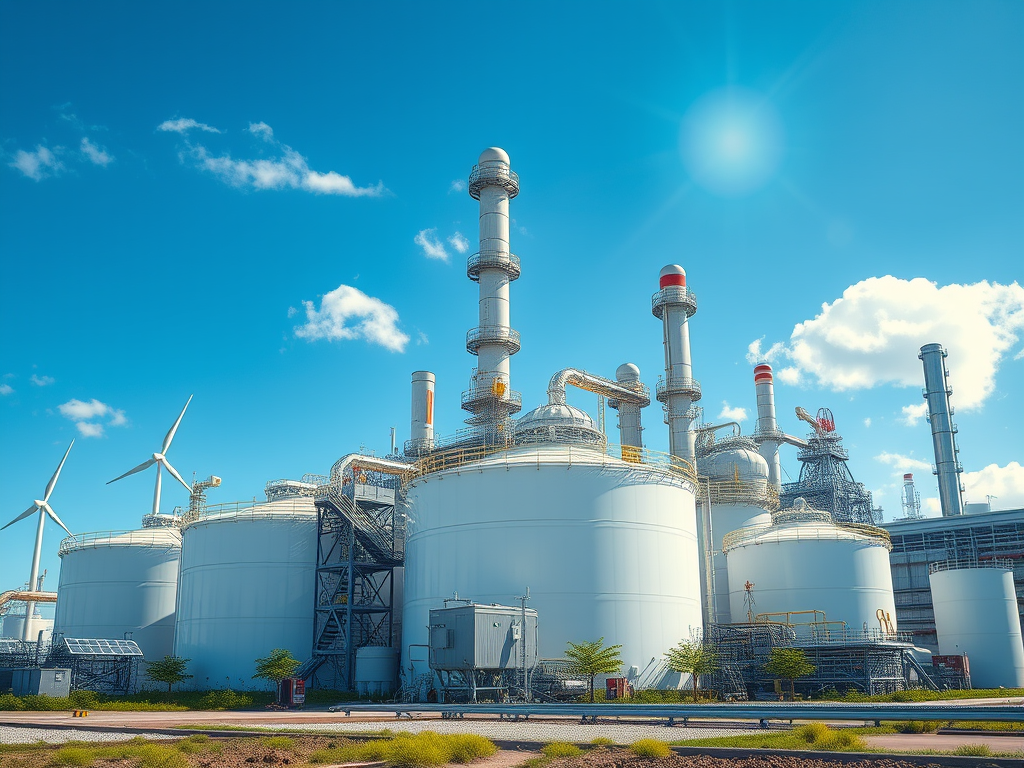
The global chemicals and materials sector in early 2026 is undergoing a powerful transformation driven by sustainability mandates, green energy investments, and digital innovation. From large-scale green hydrogen projects to advanced specialty material expansions, the industry is redefining its future around decarbonization and circular economy models.
Companies across India, Europe, and the United States are accelerating investments in renewable energy infrastructure, bio-based materials, and advanced manufacturing technologies to remain competitive in a rapidly evolving global market.
Sustainability & Green Energy Take Center Stage
One of the most significant developments is AM Green’s Kakinada project, which is set to become India’s first commercial-scale green ammonia and green hydrogen facility. This initiative positions India as a growing hub for clean energy exports and industrial decarbonization.
In parallel:
- LanzaTech is building a second-generation (2G) ethanol plant using sugarcane bagasse, advancing biofuel production.
- Praj is expanding sustainable aviation fuel (SAF) pathways to support the global aviation industry’s net-zero targets.
These developments reflect the sector’s strategic shift toward low-carbon technologies and renewable feedstocks.
Strategic Expansions in Advanced Materials
While sustainability dominates the agenda, capacity expansion in high-performance materials remains strong.
Aditya Birla Group is expanding its US specialty chemicals production capacity to exceed 40,000 tons per year.
The expansion supports high-growth industries such as:
- Automotive
- Aerospace
- Renewable energy
- Advanced electronics
Additionally, hubergroup Chemicals introduced its ELARA product line, focusing on sustainable coatings and printing inks that are VOC-free and biocide-free — aligning with stricter environmental regulations.
Regional Market Dynamics
🇮🇳 India
India’s agrochemical industry is witnessing a revival due to rising agricultural demand and improved export conditions. Meanwhile, Assam Petrochemicals and Deendayal Port Authority are planning a green methanol plant in Gujarat, reinforcing India’s green fuel ecosystem.
🇪🇺 Europe
Europe is facing a wave of chemical plant closures due to high energy costs and regulatory pressures. As a result, ammonia imports are rising, reshaping regional trade flows and supply chains.
Digital Transformation Accelerates
Digitalization is becoming a major competitive advantage in the chemicals sector.
BASF has opened a global digital hub in Hyderabad to support:
- AI-driven process optimization
- Supply chain analytics
- Predictive maintenance
- Smart manufacturing initiatives
This signals a broader trend where chemical giants integrate Industry 4.0 technologies to improve efficiency and sustainability.
Industry Outlook
The chemicals and materials industry in 2026 is clearly positioned at the intersection of sustainability, innovation, and digital transformation.
Key themes shaping the sector include:
- Green hydrogen and ammonia commercialization
- Bio-based and circular economy technologies
- Expansion of specialty and advanced materials
- Industrial AI and digital hubs
- Shifting global trade dynamics
Companies that successfully combine sustainability goals with digital modernization will likely dominate the next phase of industry growth.
Leave a Reply